How to Keep Bears Out of Your Trash
Sprays and smells can help at the margins. Here's what's actually proven to work, in order of how much it matters — starting with the one thing that works every time.
On this page8 sections
Deterrents reduce temptation. A certified container removes the opportunity entirely.
Why Bears Go for Trash in the First Place
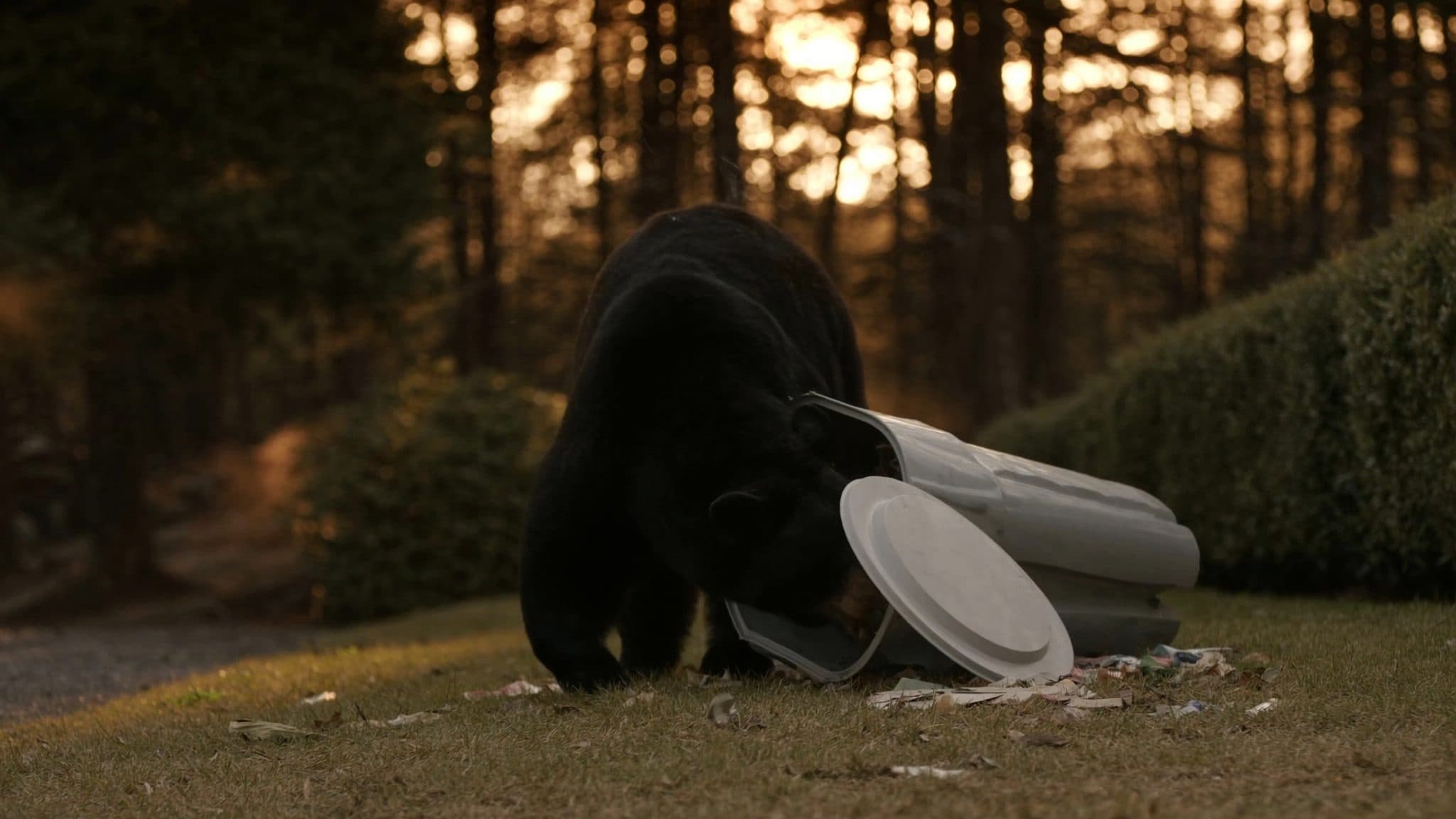
A bear's sense of smell is roughly seven times stronger than a bloodhound's, and it can detect food odor from over a mile away in the right conditions. Trash is an easy, calorie-dense meal that takes no effort to hunt — once a bear successfully gets into a can once, it remembers exactly where and comes back, often repeatedly, and often at increasingly bold hours. This is why prevention beats reaction: the goal is to make sure a bear never gets that first reward.
What Actually Works, in Order
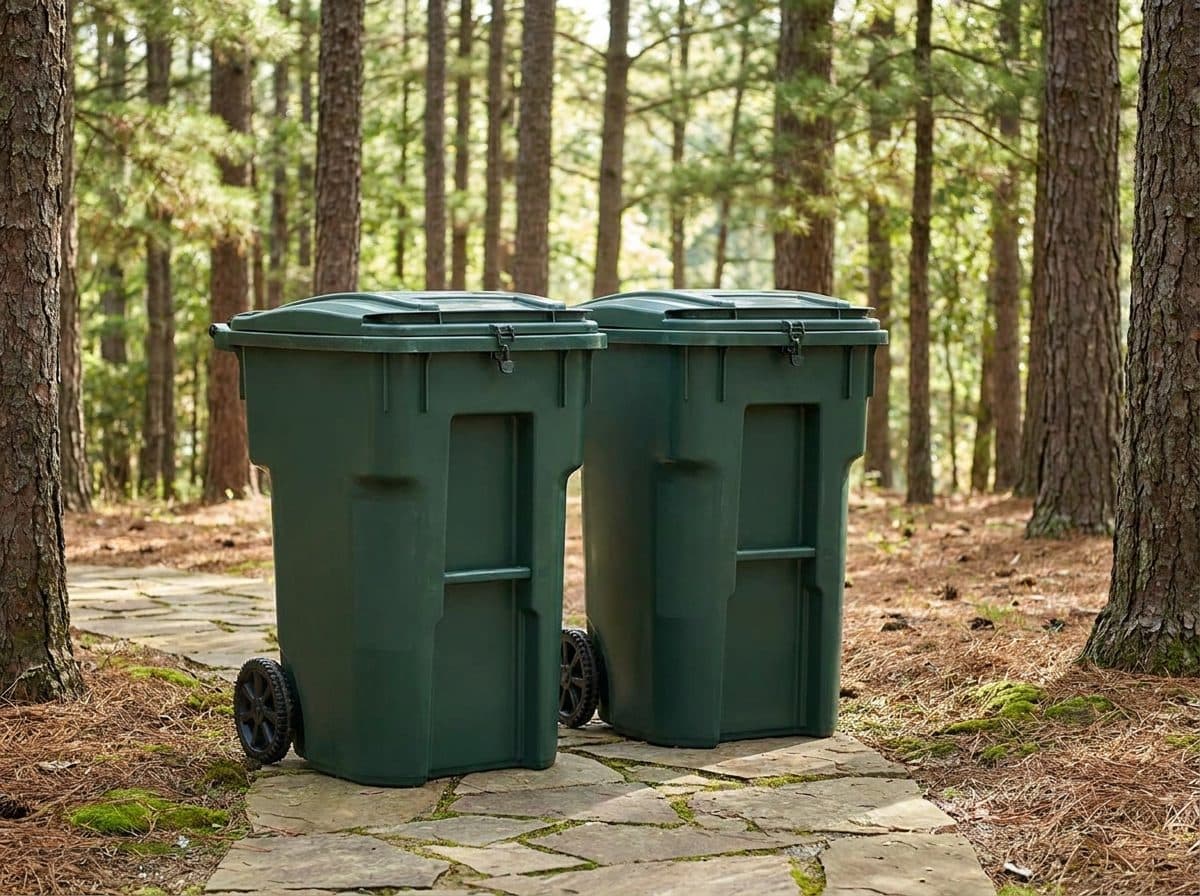
This is the only method independently tested against a live bear and proven to hold up. Every other tip on this page is a secondary layer — helpful, but none of them are tested the way an IGBC-certified container is.
A can sitting out overnight is a standing invitation. If your pickup is early morning, this alone eliminates most of the risk window even with a standard can.
A garage, shed, or a certified enclosure blocks smell from ever reaching the air outside — far more effective than any spray on an open can.
Meat scraps, fish, grease, and dairy are the biggest attractants. Freezing them until pickup day (then adding straight to the can) or double-bagging cuts down the odor plume significantly.
Residue left behind after the can is emptied keeps smelling long after the trash is gone — a quick hose-down after pickup removes that lingering signal.
When to Put Your Trash Out (and Where to Keep It)
Wildlife agencies are unusually consistent on this one. BearWise, Alaska Fish & Game, and the Pennsylvania Game Commission all say to keep trash indoors or secured until the morning of pickup, not the night before, and the IGBC says to keep garbage secured until the day of disposal. BearWise also says never to store trash under a deck or porch, and that a screen does not keep a bear out. Its storage ladder is a sturdy locked building first, then a secure enclosure, then a bear-resistant container.
Pennsylvania adds that strapping a can to a tree or post gives the bear leverage. Sources are listed in ouragency-sourced guide to keeping bears away.
What Smells Do Bears Hate? What Agencies Say
Agencies disagree about ammonia. Alaska calls the idea that ammonia or mothballs keep bears out of garbage a myth. Pennsylvania says ammonia has repelled bears at bait sites but that some bears ignore it. Colorado says some people have had success with covered buckets of bleach or ammonia outside doors and windows, and warns never to mix the two. The National Pesticide Information Center says mothballs have little or no effect as repellents. No agency we checked says a smell replaces securing your trash.
A Bear in Your Garbage Can or Trash Right Now: What to Do
BearWise's advice: watch from a safe place like a window, porch, or deck. Keep your dog inside, and don't approach, chase, corner, or feed the bear. You can make noise while leaving it an escape route, and if it approaches you, don't run; use bear spray. Call your wildlife agency if the bear is agitated, sick, injured, or won't leave. After it goes, remove whatever it was eating and tell your neighbors. Thefull step-by-step is here.
If a Bear Won't Stop Coming Back
A bear that has already learned your property has food is a different problem than prevention — it will keep testing the same spot regardless of smell. At that point:
- Switch to a certified container immediately if you haven't already — this is exactly the scenario it's built for.
- Remove every other attractant nearby: bird feeders, pet food left outside, grills that haven't been cleaned.
- For persistent situations, electric fencing around a trash storage area is a standard, well-established tool used by parks and land managers in high-conflict zones.
- Contact your state wildlife agency — repeated visits are exactly what they track, and they can advise on next steps for your specific area.
- Never intentionally feed a bear to "distract" it elsewhere — in some states this is now explicitly illegal. See our state law guide.
Quick Answers
Skip the sprays — get the container that's actually proven
Every product in our database passed a real, live bear test — not a lab simulation.
Find My Bear-Proof Match