Bear Trash & Feeding Laws by State (2026)
Colorado just made it significantly easier to get fined for unsecured trash that attracts a bear — and several other states already have their own version of this law.
On this page5 sections
Every entry below is checked against a real news source or municipal code; where we couldn't confirm an exact number, we say so instead of guessing.
A wrong number about a real ordinance is a liability, not a typo.
What Changed in Colorado
Signed by Gov. Jared Polis on May 27, 2026; effective August 12, 2026 (not Aug 14 — a date widely repeated from a news article's publish date, not the law's actual effective date). Raises the legal standard from proving someone “intentionally” lured a bear to proving they “knowingly” left out food, garbage, or other attractants in circumstances with a reasonable probability of luring one. Officers can now cite on a first offense — the old rule required a warning first.
$200 (1st offense) / $1,000 (2nd) / $5,000 for a third or subsequent offense (raised from a $2,000 cap).
Source: Colorado General Assembly (leg.colorado.gov), enrolled Act & final fiscal note
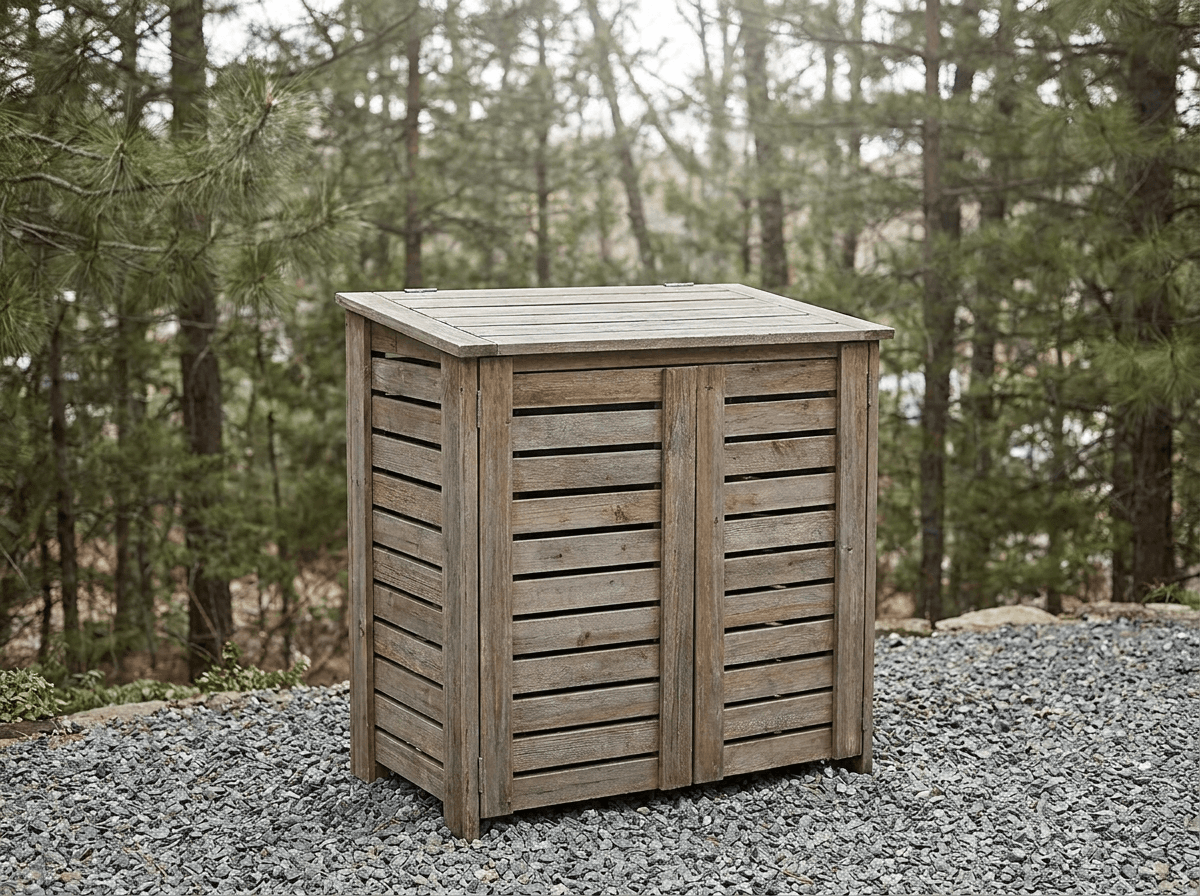
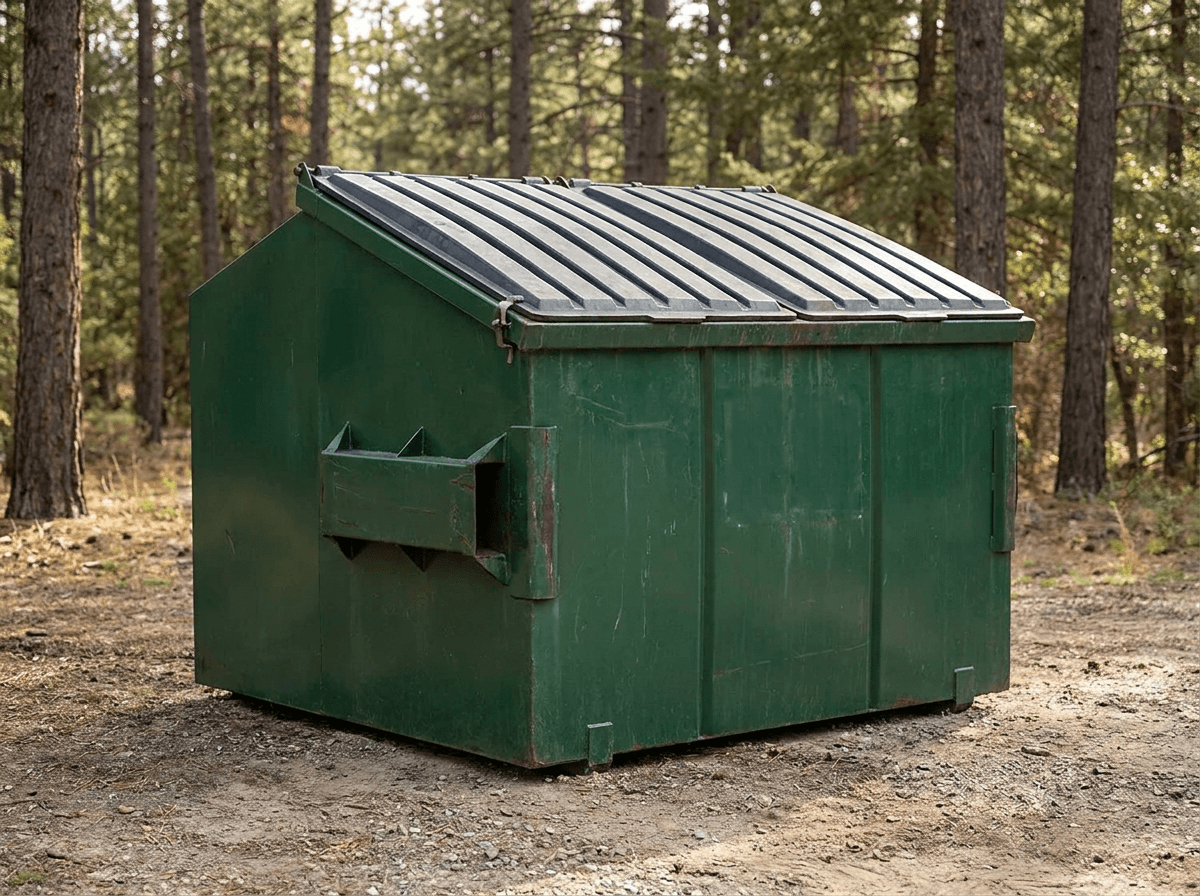
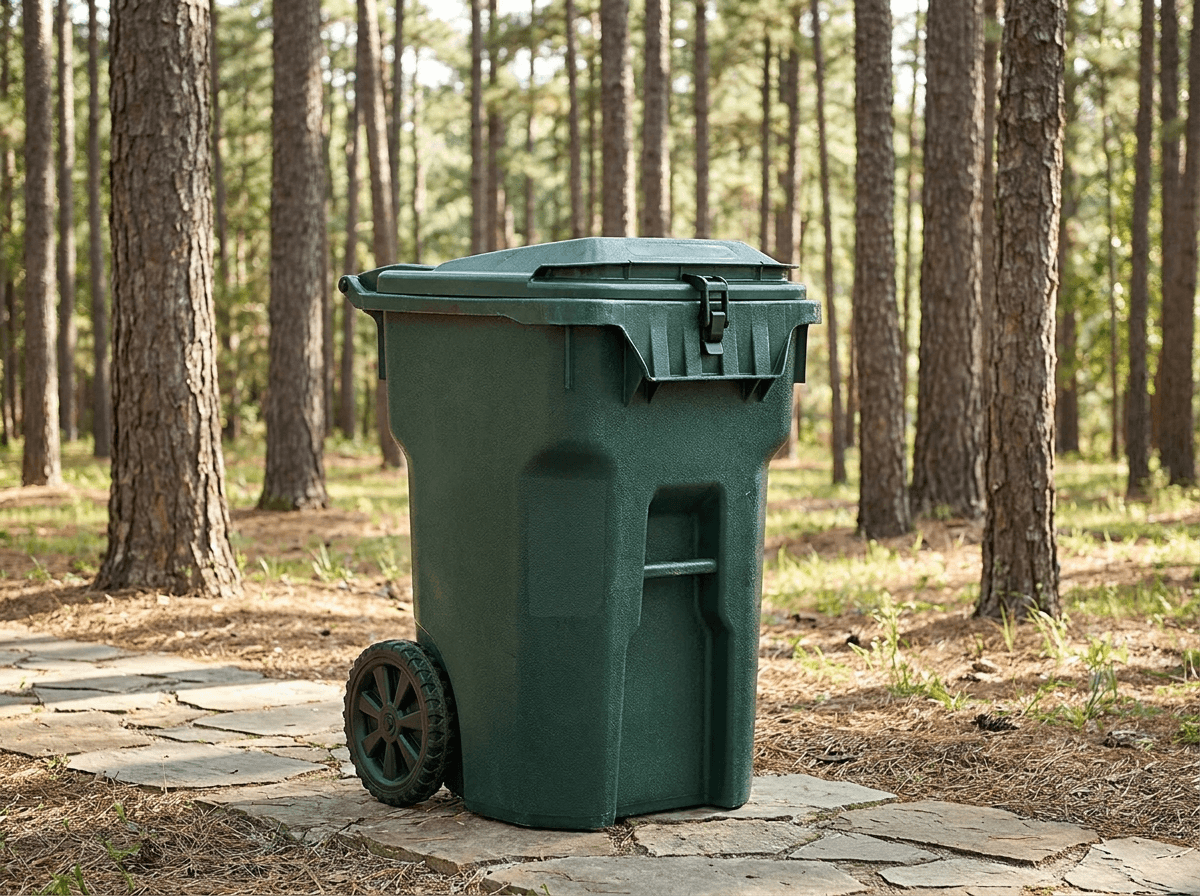
Read the full breakdown — bill text, vote counts, and what's still unclear →The trigger: trash and food waste are behind more than half of all human-bear conflict reports Colorado Parks & Wildlife receives, and reports have been climbing year over year. A certified bear-resistant can or dumpster is the single most effective way to stay on the right side of this law — if a bear physically can't get into your trash, there's nothing to “knowingly” leave out.
Colorado's Local Ordinances
The state law above stacks on top of these existing city and town ordinances — you can be liable under both.
Effective March 2020. Requires bear-resistant containers or securing trash for anyone living or operating a business within the city's Bear Management Area, west of I-25.
$100 (1st offense) / $250 (2nd) / $500 (3rd)
Source: coloradosprings.gov/bears
Requires IGBC-rated containers for commercial properties and vacation rentals — directly relevant if you operate a short-term rental in bear country. See our guide for STR owners below.
Varies by violation; enforced through code compliance.
Source: Town of Estes Park municipal code
Requires animal-resistant containers within town limits.
Set by town code compliance.
Source: Town of Ridgway municipal code
Other States
Civil penalties for feeding bears or leaving attractants accessible. Each day a violation continues can be charged as a separate offense, which is what makes the total exposure add up fast for a property that doesn't fix the problem.
Up to $1,000 per civil offense, per day.
Source: State wildlife-agency enforcement guidance, as reported by Newsweek
Uses a tiered system: civil fines for a first attractant violation, escalating to misdemeanor and eventually felony charges for intentional feeding or repeated violations after an official notice.
Tiered — exact civil fine schedule set locally within the state framework.
Source: As reported by Newsweek
Knowingly feeding black bears, especially in campgrounds and mountain communities, is prosecuted as a misdemeanor.
Misdemeanor-level penalties; exact fine set by the charging jurisdiction.
Source: As reported by Newsweek
Intentional feeding is a misdemeanor. Property owners who don't correct an attractant problem after an enforcement notice face added penalties on top of the base violation.
Misdemeanor-level penalties; escalates if not corrected after notice.
Source: As reported by Newsweek
State law penalizes negligent food storage that attracts bears. We could not verify an exact statewide fine schedule from public reporting — check with Alaska Department of Fish and Game for the current figure before citing a number.
Not independently verified — confirm directly with ADF&G.
Source: As reported by Newsweek
Feeding bears is prohibited, but the state leads with education — removing bird feeders and attractants during active bear season — over a published fine schedule.
No specific statewide fine schedule found in public reporting.
Source: As reported by Newsweek
Not the Same as Adirondack Bear-Canister Rules
If you searched for New York bear-container law, you likely mean the Adirondacks' backcountry rule — that one requires hikers and backcountry campers to carry a portable, certified bear canister for food storage. It's a real law, but it governs what you carry into the woods, not your household or dumpster trash. The two get confused constantly; they're not the same requirement.
Quick Answers
Stay compliant before the next bear visit
Find a certified container that meets your local requirement.
Find My Bear-Proof Match