The Complete Bear Safety Guide for Short-Term Rental Owners
A cleaner system for guests, cleaners, and property managers.

On this page5 sections
A practical guide, not a lecture.
You can't train your guests. Every week is a new set of people who've never handled a bear latch, don't know your trash pickup day, and won't be there for the consequences if it goes wrong. This guide is built around that one fact — the strategy, the hardware, and the exact messages to send guests, so the plan works whether or not anyone reads it.
Design around the guest, not around the rules.
Why This Is Actually Your Problem
A resident who has a bad bear encounter deals with it themselves. A guest who has one leaves a review — and unlike almost any other complaint, a bear-in-the-trash story reads as a host who didn't take basic precautions, even when it was really a guest who left the lid open. You don't get to explain that in the star rating.
It's also a real legal exposure, not just a review problem. Some towns require bear-resistant or wildlife-resistant containers, and some of those rules reach rentals. Estes Park, Colorado has a chapter on wildlife protection that covers all refuse kept outside, for homes and commercial properties alike. If your property is in a town with a bear ordinance, a standard residential can may not even be compliant for a rental. Check our state-by-state law guide for your area before assuming your current setup is fine.
And there's a liability layer most hosts don't think about until it's too late: a bear drawn onto the property by unsecured trash is a foreseeable hazard, which is exactly the kind of thing a homeowner's or short-term-rental insurance claim gets picked apart over after an injury. Fixing the trash setup is cheap. Litigating whether you knew about the risk is not.
The Strategy: Design Around the Guest, Not Around the Rules
Every tip in every guide says "close the lid" and "don't leave trash out overnight." None of that works at a rental, because it depends on a stranger remembering it on vacation. The only strategy that actually holds is removing the decision from the guest entirely.
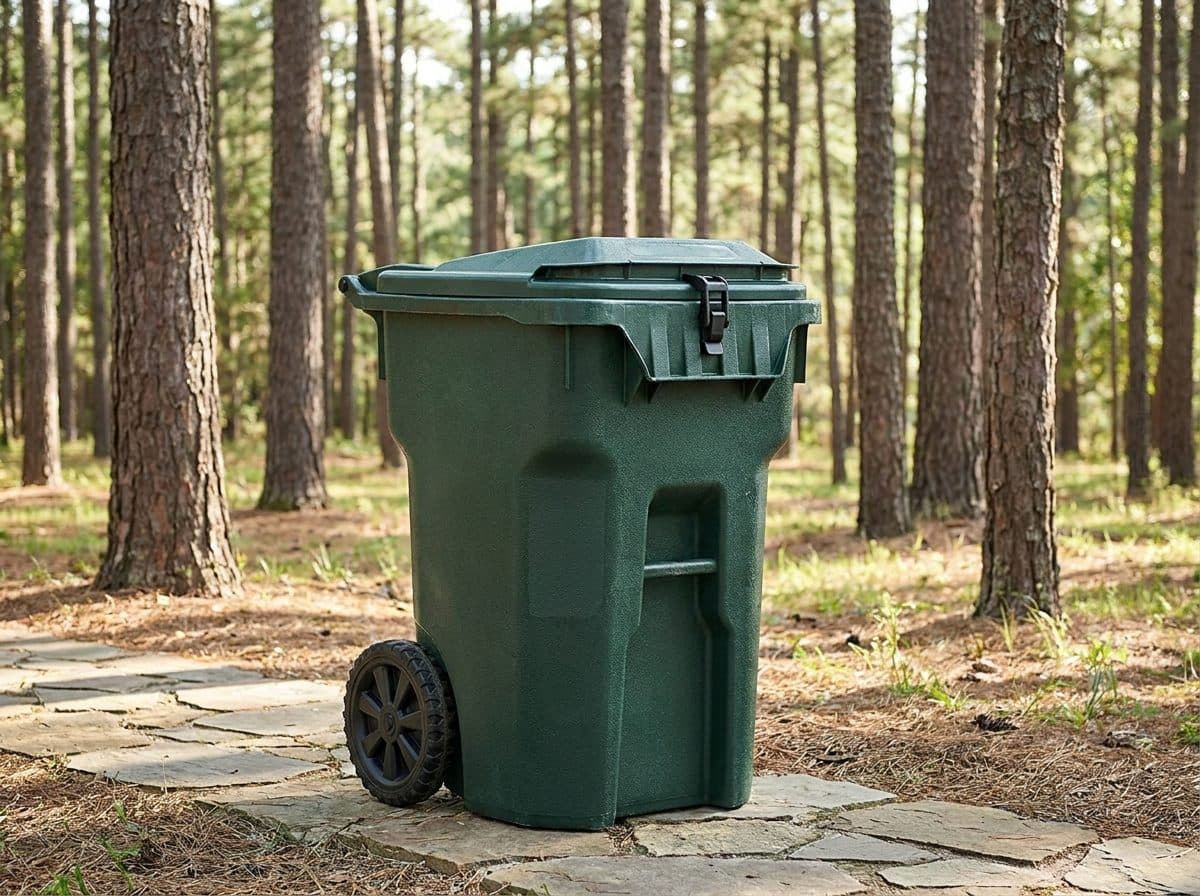
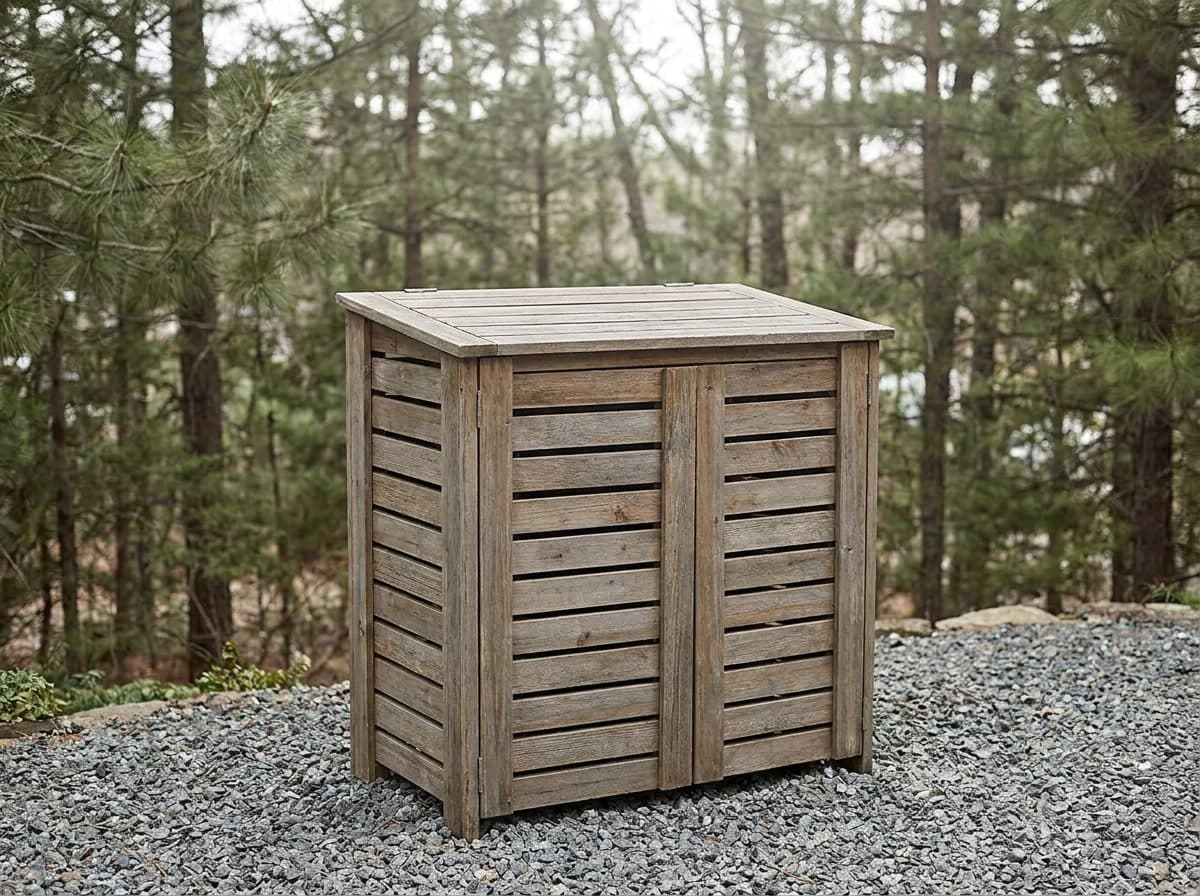
A can with a latch a guest has to remember to use will get left unlatched. An IGBC-certified can with a hardware latch that closes automatically, or a lockable enclosure the guest never has to open, removes the failure point completely. Browse certified options or run the Product Finder — select "A short-term rental" when it asks who it's for.
Keep the container in a garage, shed, or a fixed enclosure away from the deck, entry, and any window a bear could be drawn toward — not somewhere a guest has to remember to wheel it back after pickup day.
Your cleaner is the one consistent, trained person who touches every turnover. A two-line addition to their existing checklist (template below) does more than any amount of guest messaging.
If your municipal pickup day falls mid-stay, cans sit full and unattended overnight — exactly the scenario every ordinance above is written to prevent. Where you can influence it, schedule cleaning turnovers so trash goes to the curb the morning of pickup, not the night before.
Copy-Paste Templates
Use these as-is. They're written to be skimmed on a phone, in plain language, with the one instruction that actually matters said first.
Send 1–2 days before check-in, via Airbnb/VRBO messaging.
Add as its own short section — not buried in a general "trash" paragraph.
Print and leave on the counter or by the door — guests read a physical card faster than a digital manual.
Add these two lines to the existing turnover checklist.
- Confirm trash can lid is fully closed and latched before leaving the property.
- Check the deck, entry, and yard for any food, coolers, or trash left outside — bring inside or dispose of properly.